
334 Encephalitis Lethargica: The Mysterious Pandemic That's Been Forgotten
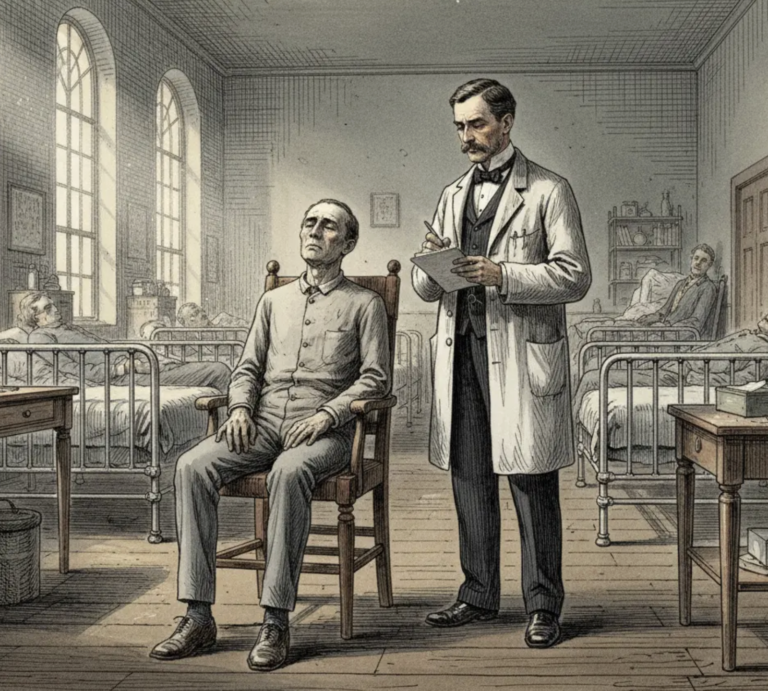
Between 1918 and 1920, the Spanish Flu killed 50 million people worldwide. This pandemic, arrived on the heels of WW1, and between the two events, nearly 5% of the world’s population was killed. But there was another pandemic occurring, one that is less well known and less frequently talked about, that remains a mystery to this day. In the winter of 1916 in Europe, people were seeking medical attention for general malaise. At first, it looked like a mild case of the flu with fever, headaches, and fatigue. Many would recover, but some would begin exhibiting tremors and many slowed down mentally and physically, until they were completely immobile despite being conscious and alive. The symptoms presented on a spectrum, but patients sometimes experienced lethargy or even obtundation, paralysis of eye muscles, rigid muscles, frozen posture, loss of speech, and sudden immobility. In some cases, the progression was overnight. In others, it took weeks to months.
Doctors called it Encephalitis Lethargica, but no one really understood it. Some patients slept for days. Others stayed awake, trapped inside bodies that no longer moved. Hundreds of thousands of people lost the ability to walk and talk, and then in 1928 new cases just stopped appearing. By then, however, there had been more than 1 million cases, and half of those had ended in death. Those that did survive, often developed a post-encephalitic Parkinsonism leaving them rigid, slow, and unable to move normally for the rest of their lives.
And then, just as mysteriously as it appeared… it vanished. So what was this disease? A viral epidemic? A post-war complication? Something we still don’t fully understand? This week, we’re diving into one of the most unsettling medical mysteries in modern history, Encephalitis Lethargica, also known as the Sleeping Sickness.